 SMBDashboard
Quote Follow-Up System: Three Touches, No Nagging
By Mark Fulton · 2026-09-08 · 9 min read
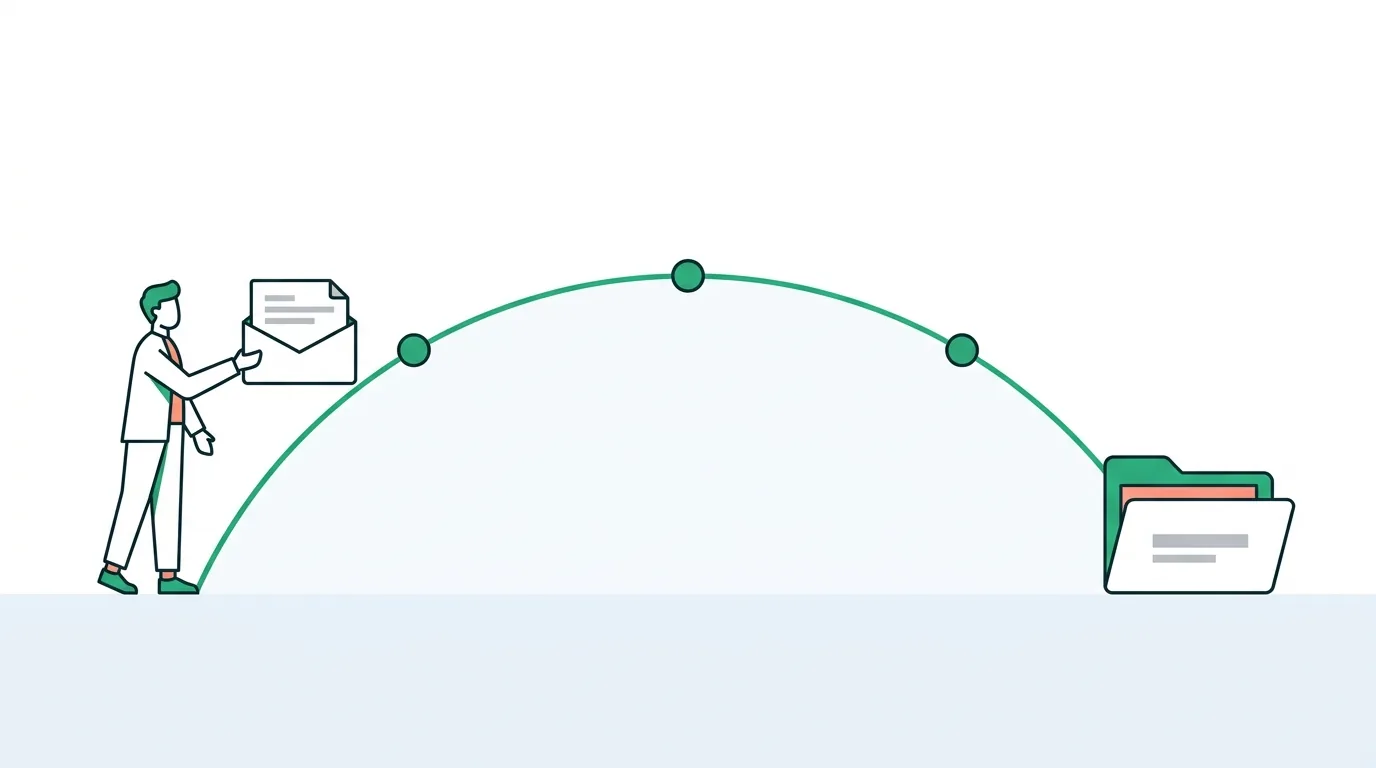
Follow up on a quote with three scheduled touches, not an open-ended string of check-ins: one within a day to confirm it arrived, one a few days later to answer the objection they didn't say out loud, and one around two to three weeks out that either closes the sale or closes the file. Each touch has one job. When the third one passes with no answer, you say so and stop, and the file stays closed until they reopen it.
A quote is the only thing in a small business where you've already done the hard part, the wanting, sizing, and pricing of the job, and then the process just stops. Nobody schedules the next step, because sending the PDF or the text with the number on it feels like the finish line. It isn't. It's the start of the part where most quotes actually die.
Why do quotes go cold?
Not because the customer said no. Most of the time nobody said anything. They meant to reply, got pulled into something else, and the quote slid down their inbox or their pile of mail. You meant to check back, got pulled into a job, and the same thing happened on your end. Two busy people, one silent thread, and a month later neither of you remembers who was supposed to move next.
This isn't a sales-skill problem. It's a scheduling problem wearing a sales-skill costume. Small business revenue doesn't grow on its own right now, either: the Federal Reserve's most recent survey of small employer firms found they remain slightly more likely to report revenue declines than increases year over year. A quote you already priced and sent is the cheapest revenue available to you. It doesn't need a new lead, a new estimate, or a new sales pitch. It needs someone to notice it went quiet.
What should happen the moment you send one?
The follow-up schedule gets built the second the quote goes out, not the day you happen to remember it's been a while. Three dates get set against the calendar right then, each tied to a different job. That's the whole system: not more persistence, not better scripts, just three touches that were never optional in the first place because they were scheduled before the quote left your hands.
| Touch | Job | Gap after sending | Closing line |
|---|---|---|---|
| 1 | Confirm it arrived | 1 day | "Just checking this landed. Happy to walk through it if useful." |
| 2 | Answer the unasked objection | 4 to 5 days | "Most people ask about [timing/price/scope] at this stage. Here's the short version." |
| 3 | Close the file, one way or the other | 12 to 16 days after touch 2 | "I'll close this out for now. Send me a note whenever you're ready to move." |
The exact gaps flex with how big the job is. A same-week home repair quote can run all three touches inside ten days. A remodel or an annual contract can stretch the whole schedule to five or six weeks. What doesn't flex is the order: confirm, then answer, then close. Skipping straight to "just checking in" a week later reads as a nudge with no content, and it's the single most common thing a customer never responds to.
What is the first follow-up for?
Not selling. Confirming. Quotes get missed constantly for reasons that have nothing to do with interest: a spam filter, a full inbox, a text sent to the wrong number, a PDF that opened as a blank page on someone's phone. The first touch, sent within a day, exists only to rule that out.
Keep it short and low-pressure, because the job is delivery confirmation, not persuasion:
"Hi [name], just making sure the quote for [job] came through okay. No rush, wanted to flag it in case it landed in spam. Let me know if you have any questions."
If they reply at all, even just "got it, thanks," touch two and three can adjust based on what they say. If there's no reply, the schedule proceeds exactly as planned. This touch does not restate the price or resell the job. That's what the second one is for.
What do you say on the second?
The second touch, four or five days after the first, is where you address the thing most people are actually stuck on but won't ask about directly. For most small service and repair businesses, that's one of three things: the total feels high next to what they expected, they're not sure when you could start, or they're quietly comparing you to someone else and want a reason to stop looking. You won't know which one applies, so you name the most common one for your kind of work and let them correct you if it's wrong.
"Hi [name], following up on the quote for [job]. Most folks in this situation want to know [about timing / how the price breaks down / what's included]. Happy to go over anything, or adjust the scope if that helps. Let me know what works."
This is the touch that does the actual selling, because it's the first message in the sequence that isn't just "did you see this." It also tends to be where the reply comes, if one is coming at all. Keep the sender name and subject line honest and specific to the job, the same standard the Federal Trade Commission sets for any commercial email you send: no vague "checking in!" subject lines that could be mistaken for something else, and no pretending this is the first message when it's the second.
How do you close the file without burning the lead?
The third touch, roughly two to three weeks after you sent the quote, has one job: end the open loop. Not by disappearing, and not by chasing indefinitely, but by saying plainly that you're closing it out and leaving the door open.
"I'll close this quote out on my end for now so it's not sitting open, but the pricing holds if you want to move forward later. Just reach out and I'll pick it back up."
This line does more work than it looks like it does. It removes the awkwardness of a fourth or fifth "just checking in" that both of you are tired of. It signals confidence rather than desperation, which oddly tends to produce more replies than another round of chasing does. And it gives you permission to actually stop, instead of that quote nagging at the back of your mind indefinitely as an unresolved task the way it does when you're relying on memory instead of a system to track it.
The Small Business Administration's own guidance on the sales process makes a similar point in passing: what happens after the sale shapes whether a customer comes back, and a quote you close out politely is still an interaction the customer remembers, unlike one you simply let go silent. Closing the file is not the same as deleting the customer. Their information stays exactly where it was. If they come back in three months, you're picking up a known relationship, not starting from a cold quote. If they don't, you've spent three short messages and reclaimed the mental space that quote was quietly occupying.
How do you track quote outcomes to improve the next one?
Every closed quote is a data point if you write down what happened to it, and noise if you don't. Three outcomes are all you need to track: won, closed with no response, or declined with a stated reason. Over a few months, patterns show up that no single quote reveals on its own: maybe every quote over a certain size stalls at touch two, which usually means the price needs a payment-plan option, or maybe quotes for one type of job convert at touch one almost every time, which means that pricing is already right and doesn't need three touches at all.
The mechanics matter less than doing it at all. A won quote turns into the invoice you now need to collect on, which is its own follow-up schedule. A quote that goes cold gets one line noting why, if you know: too expensive, bad timing, went with someone else, or genuinely unknown. That line is worth more to next quarter's pricing than any amount of guessing.
Put the schedule where you'll actually see it
The reason this system fails in practice isn't the wording, it's the tracking. A sticky note or a mental note about "follow up with the Petersons" competes with everything else demanding your attention that week, and it loses more often than it wins. The fix is treating the three follow-up dates as what they are: three tasks due on specific days, created the moment the quote goes out, not remembered later.
Open SMBDashboard's task view right after you send a quote and add all three dates in under a minute: day 1, day 5, day 15. Each one carries the customer's name and which touch it is. When a date passes with the task still open, it shows up as overdue instead of disappearing into the part of your memory where good intentions go to die. The system doesn't write the messages for you. It just makes sure the three dates you already decided on actually happen, whether or not that week gets busy, which for a small business it always does.
Frequently asked questions
How many times should I follow up on a quote?
Three times, each with a distinct purpose: confirm it arrived, answer the objection you expect, then close the file. A fourth or fifth follow-up with no new information tends to annoy rather than persuade. If you genuinely have something new to say, like a price change or new availability, that's a reason to reach out again outside the standard schedule.
How long should I wait after sending a quote?
One day for the first touch, four to five days after that for the second, and twelve to sixteen days after the second for the third. Shrink the whole schedule for small, fast-decision jobs and stretch it for larger ones like renovations or annual contracts, but keep the same order and the same three purposes.
What do I say when following up?
On the first touch, confirm the quote arrived and offer to answer questions, nothing more. On the second, name the objection most customers in your line of work have at this stage, whether that's price, timing, or scope, and address it directly. On the third, say plainly that you're closing the quote out for now and that the pricing holds if they want to move forward later.
When should I stop chasing a quote?
After the third touch, if there's still no response. State that you're closing the file, keep their information for later, and move your attention to quotes that are actually live. If they come back in a month or a year, you restart the conversation as a known customer rather than a cold lead, which is a better position than either of you had by touch four.